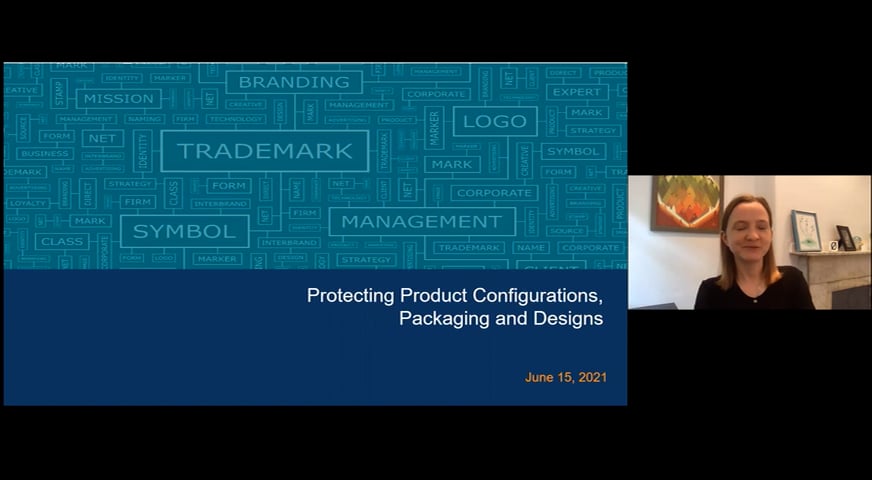
Protecting Product Configurations, Packaging and Designs: What In-House Counsel Needs to Know
June 15, 2021
Webinar
June 15, 2021
Product configuration and packaging play an integral part in consumer choice and can often set a particular product apart from its competition on the store shelf. Because companies heavily invest in creating unique product designs and packaging that encourage brand association, business owners should also consider protecting those investments as intellectual property.
This webinar offers guidance for in-house counsel regarding the different types of intellectual property that may protect product configurations and packaging in the United States, and the interplay among these different forms of IP, their applicability, and their limitations.
Topics Include:
How to effectively use trademarks, trade dress, patents, and copyrights to protect product configurations and packaging designs
The interplay among the different forms of IP protection and their limitations
When to file for protection and other filing strategies
Pitfalls to avoid when seeking IP protection for product configurations and in marketing your products
Working with creative and marketing departments to employ design and marketing techniques that support IP protection
Strategies for enforcing IP rights in product configurations and packaging designs
We use cookies to enhance user experience, improve functionality and performance, and for analysis of website traffic. By clicking “accept”, you agree to the use of cookies. For more information about our cookie policy and the information we collect, please review our Privacy Statement.
Foley Hoag
Email Disclaimer
Transmitting information to us by e-mail unilaterally does not establish an attorney-client relationship or impose an obligation on either the law firm or even the receiving lawyer to keep the transmitted information confidential. By clicking "OK," you acknowledge that we have no obligation to maintain the confidentiality of any information you submit to us unless we already represent you or unless we have agreed to receive limited confidential material/information from you as a prospective client. Thus, if you are not a client or someone we have agreed to consider as a prospective client, information you submit to us by e-mail may be disclosed to others or used against you.
If you would like to discuss becoming a client, please contact one of our attorneys to arrange for a meeting or telephone conference. If you wish to disclose confidential information to a lawyer in the firm before an attorney-client relationship is established, the protections that the law firm will provide to such information from a prospective client should be discussed before such information is submitted. Thank you for your interest in Foley Hoag.